Updated: December 7, 2025
Custom woodworking turns regular rooms into spaces that look intentionally expensive. Not the fake expensive where everything matches too perfectly. The real kind where every piece fits the room like it was always meant to be there.
Store bought furniture forces you to work around it. Custom woodwork works around your space instead.
Key Takeaways
- Custom pieces fit your exact space with no gaps or awkward angles
- Real hardwood and quality joinery that lasts decades instead of years
- Complete design control over wood species, finishes and hardware
- Built-ins can add measurable value when you sell your home
- Investment in permanent solutions instead of temporary furniture

Why Custom Woodworking Costs More and Why People Pay It Anyway
Mass produced furniture is built to a price point. Custom pieces are built to last decades and fit rooms that do not come in standard sizes.
You are paying for three things that Ikea cannot give you. Perfect fit for weird spaces. Wood quality that gets better with age instead of worse. Design control over every detail from wood species to hardware finish.
The difference shows up in how the room feels. Built-ins look like architecture instead of furniture someone moved in later.
What Custom Woodworkers Actually Build for Homes
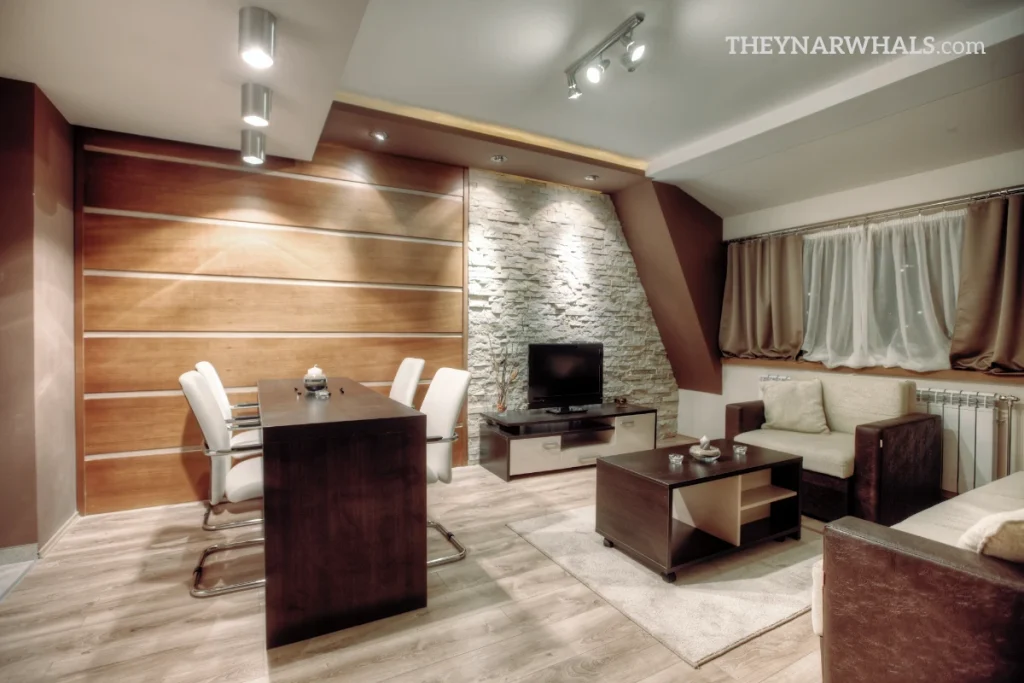
Built-in shelving and bookcases that fill entire walls without gaps at the edges. Floor to ceiling designs that make rooms look taller. If you are planning something specific, building a home library takes this concept pretty far.
Kitchen islands and cabinets sized for your exact floor plan. Not close enough. Exact. Custom cabinets can hide appliances and maximize storage in ways stock cabinets never do.
Entertainment centers and media walls that manage cables and hide equipment while showing off the screen. Everything tucked away except what you actually want to see.
Mudroom storage and entryway systems with cubbies sized for your family’s actual stuff. Coat hooks at the right heights. Bench seating with storage underneath.
Home office furniture built for how you actually work. Desks at the right height with cable management planned in. Shelving positioned where you need it instead of where the manufacturer decided to put it.
Closet systems designed around what you own instead of generic hanging space. Drawer units for folded clothes. Shoe storage that fits your collection. Accessories organized properly.
Bathroom vanities with storage that makes sense for toiletries instead of random cabinet space. Custom sizing means you can fit a bigger vanity or add drawers where standard sizes would not work.
Floating shelves that actually attach to studs and hold real weight. Not the decorative kind that sags under books. The kind you trust with your expensive stuff.
Window seats with storage that turn awkward architectural features into useful furniture. Built-in seating that does not take up extra floor space.
Custom bars and entertainment spaces for your dream hangout room where everything from glass storage to tap systems gets planned into the design.
If your house has weird angles or leftover space that does not fit standard furniture dimensions, that is where custom woodwork solves problems stock furniture cannot touch.
How the Custom Woodworking Process Actually Works
You meet with the woodworker and explain what you need. Bring measurements. Bring photos of your space. Bring examples of styles you like.
They measure the space themselves because your measurements are probably wrong. Not an insult. Just reality. Rooms are rarely square and walls are rarely plumb.
Drawings and mockups come next. Sometimes hand sketches. Sometimes CAD drawings. Sometimes 3D renderings if the project is complex enough. You see what it will look like before anyone cuts wood.
You pick wood species, stain colors, hardware, and finishes. Samples help. Photos of finished projects help more. Seeing the actual materials in your lighting conditions helps most.
The woodworker builds it in their shop. This takes weeks to months depending on size and complexity. Rush jobs cost extra and usually look worse.
Finishing happens before installation. Staining, sealing, protecting. Multiple coats. Drying time between coats. This part cannot be rushed without ruining the piece.
Installation day means they bring the finished piece to your home and fit it into place. Good custom work installs smooth. Bad custom work requires modification on site with a saw.
Wood Species That Show Up in High End Custom Work
Walnut for dark rich color and dramatic grain patterns. Costs more than other domestic hardwoods. Looks more expensive than other domestic hardwoods.
White oak for lighter color with visible grain texture. Durable. Takes stain well if you want to change the color. Quartersawn white oak shows off ray fleck patterns.
Maple for smooth tight grain and light natural color. Good for painted finishes because the grain does not show through as much. Hard enough to resist dents.
Cherry for warm reddish tones that darken over time. Consistent grain makes it good for large surfaces. Responds well to oil finishes.
Hickory for dramatic color variation and extreme hardness. Not ideal if you want uniform appearance. Perfect if you want character and rustic vibes.
Alder for affordable softwood that still looks good. Stains evenly. Good choice when budget matters but you still want custom work.
The species you pick changes how the piece ages. Some woods darken over time. Some barely change. Ask the woodworker what to expect five years and twenty years out.
Finishes That Protect Custom Woodwork Long Term
Oil finishes soak into the wood and bring out natural color. Easy to repair and reapply over time. Not as protective against water or heat damage. Good for pieces that do not see heavy use.
Polyurethane creates a hard protective film on the surface. Resists water and heat better than oil. Harder to repair if damaged. Available in matte, satin and gloss sheens.
Lacquer dries fast and creates a smooth hard finish. Professional application required. Multiple thin coats build up protection. Repairable by adding more lacquer.
Conversion varnish for maximum durability on high use surfaces. Kitchen cabinets and bathroom vanities benefit from this level of protection. Requires spray equipment.
The finish you pick depends on where the piece lives and how much abuse it takes. Kitchen islands need different protection than bedroom bookshelves.
What Custom Woodworking Actually Costs
Small floating shelves start around a few hundred dollars. Simple bookcases run one to three thousand depending on size. Full wall built-ins with cabinets and drawers reach five to fifteen thousand.
Kitchen islands with custom cabinetry start around five thousand and go up from there based on size and features. Entertainment centers and media walls run similar ranges.
Walk-in closet systems typically cost three to ten thousand depending on the size of the closet and complexity of the organization system.
Bathroom vanities range from fifteen hundred to five thousand depending on size, wood species, and how much custom storage you add.
These numbers vary based on your location and the woodworker’s experience level. Urban areas cost more. Master craftspeople cost more. Complex designs cost more.
Comparing custom woodwork prices to stock furniture prices is pointless. You are buying different products. Stock furniture depreciates. Custom built-ins potentially add value to your home.
How Long Custom Projects Take From Start to Finish
Simple projects like floating shelves or small cabinets take two to four weeks from design to installation.
Medium complexity built-ins like bookcases or entertainment centers take six to ten weeks.
Large projects like full kitchen cabinet sets or whole room built-ins take three to six months.
These timelines assume the woodworker is not juggling multiple projects. Most are. Add time accordingly.
The design phase alone can take several weeks if you keep changing your mind. Finalizing materials and finishes takes time. Building takes time. Finishing takes time. Installation takes time.
Anyone promising fast turnaround is either rushing the work or has nothing else on their schedule. Neither is a good sign.
Finding Skilled Woodworkers and Learning the Craft
Local woodworking clubs connect you with experienced craftspeople who either take commissions or can recommend someone who does. WoodClubHub.com maintains a directory of woodworking clubs across the US and Canada.
Clubs also offer a way into the craft if you want to learn it yourself. Members share techniques and tools. You get access to equipment that costs too much to own individually. You learn from people who have been doing this for decades.
Trade shows and home expos feature local custom woodworkers showing their portfolios. You see finished work in person instead of just photos online.
References from architects and interior designers often lead to skilled woodworkers. Designers work with the same craftspeople repeatedly when they find someone reliable.
When Custom Woodwork Makes Sense and When It Does Not
Custom work makes sense when your space has non-standard dimensions. When you want specific features stock furniture does not offer. When you plan to stay in the home long enough to justify the investment. When the quality difference matters to you.
Custom work does not make sense when you are on a tight budget and stock options exist that mostly work. When you move frequently. When you are not sure what you want yet. When your timeline is too short to do it properly.
The break even point typically hits when you start looking at high end stock furniture that still does not quite fit right. At that price point you might as well get exactly what you want.
Built-ins specifically make sense when you have architectural features like alcoves or awkward corners that waste space with standard furniture. When you need more storage than freestanding furniture provides. When you want the built-in look that makes rooms feel finished.
How Custom Woodwork Affects Home Value
Built-ins and custom cabinetry generally add value because they are permanent improvements. Buyers see them as upgrades over standard features. The value added depends on execution quality and how well the design fits the home’s overall style.
Quality custom woodwork is one of several strategic upgrades that can increase your home’s value when it comes time to sell. The key is choosing improvements that appeal to buyers in your market.
Freestanding custom furniture does not add home value the same way since you can take it with you. But custom closet systems and built-ins stay with the house.
Over-customization can hurt value if your design choices are too personal. A built-in aquarium cabinet or a custom bar shaped like a boat might thrill you but confuse buyers.
Quality craftsmanship always adds value. Even if buyers do not love your specific design choices they recognize quality work. Poor craftsmanship hurts value even if the design concept is good.
Real estate appraisers do factor custom built-ins into home valuations. How much depends on local market conditions and buyer preferences in your area.
The Real Reason People Choose Custom Woodwork
It comes down to fit and finish and the feeling that your space was designed on purpose instead of assembled from whatever was available at the furniture store.
Custom woodwork makes rooms look complete. Everything belongs where it is. Nothing feels temporary or like you are waiting to upgrade later.
You get spaces that work exactly how you need them to work instead of adapting your life around furniture limitations.
The pieces last. They become part of the home’s story. They are still there looking good when everything else has been replaced twice.
That is what you are actually paying for. Not just wood and joinery. The permanent solution instead of the temporary compromise.
Smart Home Investment Strategy
Custom woodwork sits in a larger context of smart homeowner decisions about where to invest your money. The difference is custom built-ins typically pay back in daily use and resale value while many home purchases do neither.
Choose permanent improvements that solve actual problems in how you live in your space. Skip temporary fixes that look good but do not improve function. That approach applies whether you are buying custom furniture or replacing major systems.